

Understanding Your Destination: Key Considerations for First-Time Travelers
When planning your first trip, understanding your destination plays a pivotal role in shaping a successful travel experience. One of the primary considerations should be the climate of the area you plan to visit. Different regions exhibit various weather patterns throughout the year. Researching the seasonal trends can help you pack appropriately and prepare for any weather-related challenges during your visit. It is advisable to examine the average temperatures, precipitation levels, and any significant weather anomalies specific to your chosen destination.
In addition to climate, immersing yourself in the culture of your travel destination is essential. Different locales may have various customs, traditions, and social norms that dictate acceptable behavior. First-time travelers should familiarize themselves with these cultural elements to avoid unintentional faux pas. Recognizing key cultural practices, such as greetings, dining etiquette, and dressing codes, can enhance your interactions with locals and foster a deeper understanding of the place you are exploring.
Understanding local laws and regulations is another crucial aspect. Each destination may have specific laws concerning alcohol consumption, smoking in public areas, and tourist conduct. Being aware of these regulations not only promotes lawful behavior but also ensures your safety during the trip. Furthermore, some regions might have unique restrictions tied to health or safety that could impact your travel plans.
It is also wise to be mindful of the peak travel seasons for your destination. Traveling during off-peak times can lead to a more enjoyable and less crowded experience, often resulting in better pricing on accommodations and attractions. Therefore, researching travel seasons helps to make informed decisions, allowing you to optimize your itinerary based on your interests and budget. Engaging thoroughly with these considerations will undoubtedly enrich your first travel experience and pave the way for future adventures.
Budgeting for Your First Trip: Costs to Consider
When planning your first trip, understanding the range of expenses you may encounter is crucial. A comprehensive budget encompasses various categories, including transportation, accommodation, food, activities, and miscellaneous costs. By carefully evaluating these areas, first-time travelers can create a financial plan that aligns with their travel aspirations.
Transportation typically represents a significant portion of your travel budget. Costs may vary depending on your mode of travel, whether it’s flying, driving, or taking public transport. For air travel, booking in advance, comparing different airlines, and considering off-peak times can result in substantial savings. Additionally, when choosing local transportation options at your destination, consider public transit or ridesharing services as cost-effective alternatives.
Another essential aspect of budgeting involves accommodation. The choice between hotels, hostels, or vacation rentals can impact your overall expenses considerably. Setting a realistic figure for your lodging can help you find options that meet your expectations without exceeding your financial means. Look for deals, discounts, or consider alternate neighborhoods that might offer lower rates.
Food costs are also a key consideration. Dining expenses can vary greatly depending upon whether you prefer fine dining or casual eateries. Prioritizing meals and seeking local favorites can enhance your culinary experience while keeping costs manageable. Moreover, groceries or preparing some meals can also be a wise choice, especially for longer stays.
Lastly, allocating a portion of your budget for activities and attractions is important. Researching prices beforehand and determining which experiences are a priority can help you avoid overspending. Always keep a buffer for unexpected expenses, allowing for flexibility in your travel plans. By strategically approaching your budget, you can enjoy your first trip without the burden of financial stress.
Essential Travel Gear and Packing Tips for First-Time Travelers
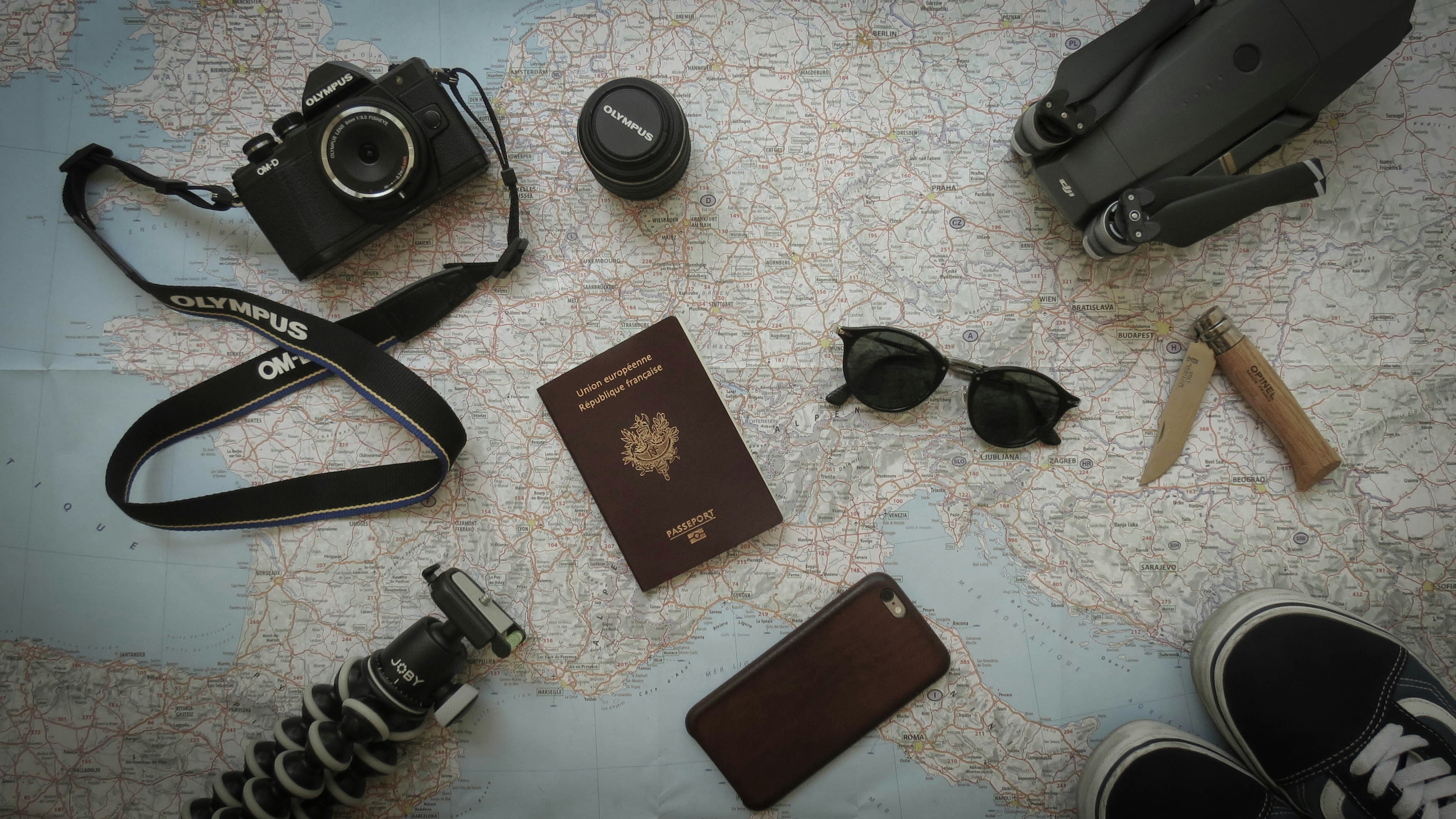
Packing for your first trip can feel daunting, but with careful planning and a focus on essential travel gear, it can be a manageable task. The key to efficient packing lies in choosing versatile clothing and the right accessories suited for various destinations and activities. One of the fundamental principles to keep in mind is to pack light. Bringing too much can lead to discomfort and inconvenience, especially when navigating airports or train stations.
To begin with, make a list of must-have items. Start with clothing that can be layered. For instance, a lightweight jacket can provide warmth without taking up much space. Opt for neutral colors that can easily mix and match, thus maximizing outfit combinations while minimizing the number of items needed. Comfortable walking shoes are essential, especially if your itinerary includes a lot of sightseeing.
In addition to clothing, consider including gear that enhances safety and convenience. A portable charger, for example, is invaluable for keeping your devices powered while on the go. A travel first aid kit, complete with basic medical supplies, can provide peace of mind during your adventures. Moreover, a reusable water bottle is not only eco-friendly but also vital for staying hydrated while traveling.
To streamline the packing process, use packing cubes for organization. They help keep your belongings compartmentalized, making it easier to find items without rummaging through your bag. Finally, remember to double-check your packing list before you leave, ensuring you have your essentials like passports, tickets, and any necessary travel documents.
By following these packing tips and selecting the right travel gear, first-time travelers can embark on their journey prepared and organized, paving the way for a more enjoyable experience. This approach not only facilitates comfort during the trip but also ensures you have everything you need at your fingertips.
Navigating Travel Documentation: Visas, Vaccinations, and More
When planning your first trip, one of the most crucial aspects to consider is travel documentation, which encompasses visas, vaccinations, and other necessary papers. These documents can significantly impact the success and ease of your travel experience, so understanding what is required for your specific destination is essential.
Firstly, ascertain whether a visa is necessary for the country you plan to visit. Many nations have different visa policies, varying based on nationality and length of stay. Check the official government website of your destination or consult with the embassy for specific visa application instructions. It is also prudent to apply for your visa well in advance, as processing times can vary.
In addition to visas, travelers should be aware of vaccination requirements that may be in place. Some countries require proof of certain vaccinations, especially those related to diseases such as Yellow Fever or COVID-19. The World Health Organization (WHO) provides comprehensive guidelines regarding mandatory vaccinations. Furthermore, keep your vaccination records handy, as they may need to be presented upon entry.
Moreover, travel insurance is an often-overlooked yet vital component of travel documentation. This protection can safeguard against unexpected medical expenses or travel disruptions. When selecting a policy, ensure it covers medical emergencies, trip cancellations, and lost belongings. A reliable travel insurance provider should offer clear terms, so read the fine print carefully.
Before embarking on your journey, compile all required documents, including your passport, visas, vaccination cards, and insurance information, ensuring they are easily accessible. Organizing these documents beforehand will undoubtedly reduce stress and help prevent last-minute complications.
Leave a Reply
You must be logged in to post a comment.